A Comprehensive Look at Strategy, Development, and the Future of Gaming in the Sony PlayStation Platform Business
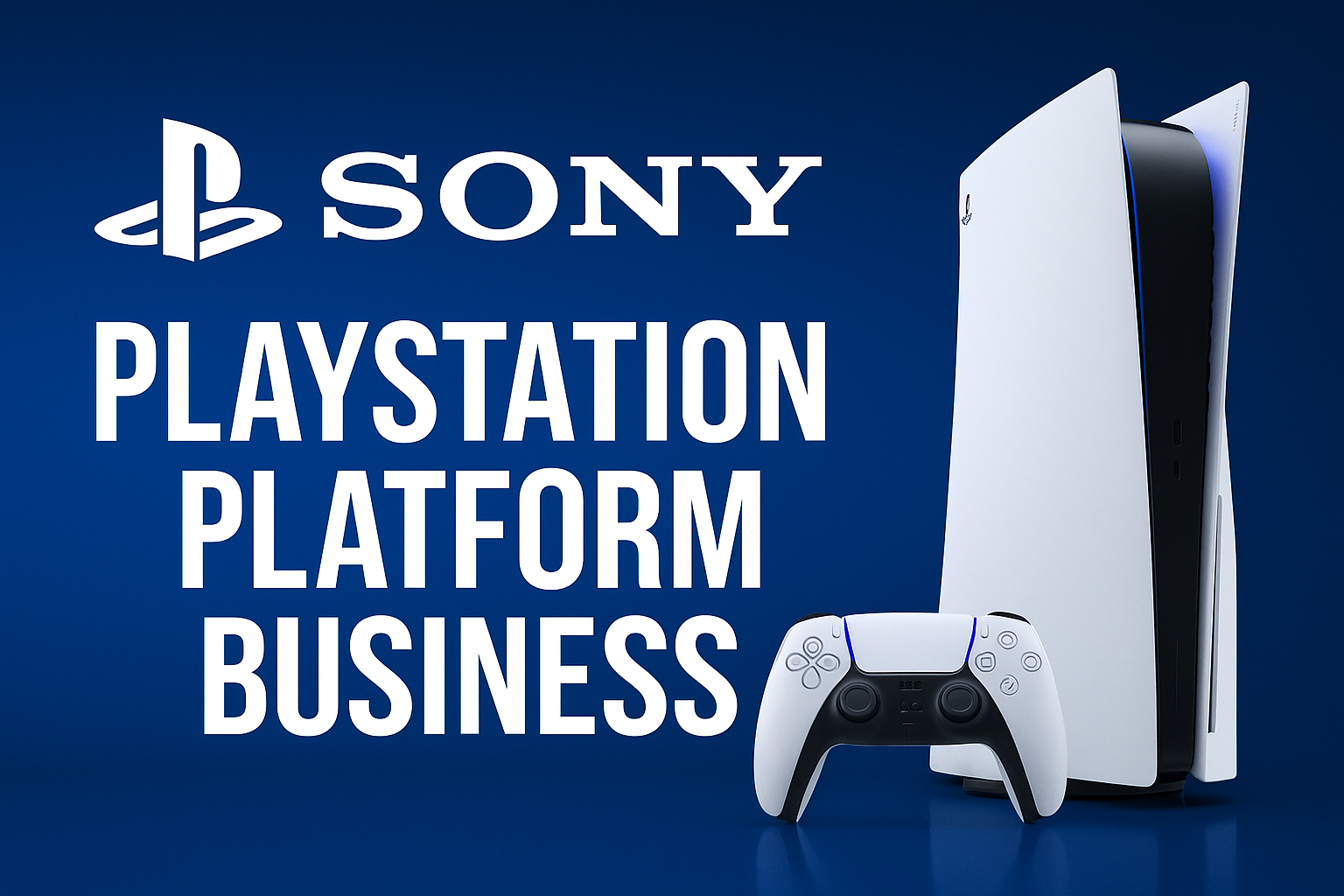
Players’ interactions with games, online ecosystems, digital sales, and subscription services are all shaped by the Sony PlayStation platform business, which still holds a dominant position in the global gaming industry. Understanding Sony’s platform strategy has become essential for gamers, investors, and tech enthusiasts alike as gaming becomes more connected and service-oriented. This guide explains how the PlayStation platform business operates, why it is so profitable, and where it is headed.
The Sony PlayStation Platform Business: What Is It?
All of the hardware, software, services, digital ecosystems, and products that support the PlayStation brand are collectively referred to as the Sony PlayStation platform business. This comprises:
PlayStation systems (PS5, PS4, accessories)
PSN, or PlayStation Network
The PlayStation Store
Subscription service for PlayStation Plus
Cloud gaming (legacy PS Now and PS Plus Premium)
Revenue from first-party and third-party gaming
DLCs, microtransactions, and digital add-ons
Partnerships for publishing and licensing
The Reasons Behind the PlayStation Platform’s High Profits
One of Sony’s biggest sources of income is its gaming division. This is the reason the platform industry is so strong:
- Digital Sales Take the Lead More and more people are buying games online rather than offline. The profit margins of digital games are higher. A portion of each purchase made on the PlayStation Store goes to Sony. Continuous income is produced by DLCs, add-ons, and in-game purchases.
- PlayStation Plus Subscription Growth PS Plus was redesigned by Sony into a three-tier service: Online gaming and monthly games are essential. Additional game catalog Premium: classic games plus cloud streaming
- First-Party Exclusive Games God of War, Spider-Man, The Last of Us, and Horizon are examples of franchises that increase console sales and foster fan loyalty.
The Sony PlayStation platform’s business strategy revolves around exclusive games. - Demand for PS5 Hardware Despite early supply problems, PS5 sales are still high globally.
There are more players in Sony’s digital ecosystem when there are more consoles. - Robust Third-Party Collaborations In order to obtain early access, exclusive content, or marketing agreements, Sony maintains close ties with major studios, which helps to maintain PlayStation’s popularity among gamers.
The Operation of Sony’s Platform Ecosystem
Four key pillars support Sony’s platform business strategy:
- Software + Console Model Sony makes more money from the following sources despite selling consoles at narrow profit margins: Sales of games Online purchases Extras Subscriptions
- Integration of Digital Ecosystems The whole experience is centralized once a player signs up for the PlayStation Network: Profiles for games Cloud storage Awards Social characteristics libraries of games Purchases made in stores This promotes sustained dedication.
- The King Is Content Sony makes significant investments in independent studios, such as Santa Monica Studio, Insomniac, and Naughty Dog, to produce unique and high-end experiences.
- Live Services & Extended Participation Similar to Fortnite or Destiny, Sony is moving toward live-service games in an effort to generate long-term revenue from ongoing titles.

The PlayStation Platform Business’s Challenges
Despite its impressive performance, Sony has some significant obstacles to overcome:
- Increasing Rivalry Sony is still under pressure to innovate thanks to Xbox’s Game Pass and cloud gaming.
- Saturation of the Console Market There are already a lot of console owners in the majority of major markets. Digital expansion is essential to growth.
- Costly Game Creation Every year, the cost of AAA games increases, forcing Sony to concentrate on fewer but larger projects.
- Risks of PC Expansion Revenue is increased when PlayStation games are released on PC, but the appeal of console exclusivity may be diminished.
The Sony PlayStation Platform Company’s Future
Sony’s platform business is rapidly changing. What to anticipate is as follows:
- An increase in live-service games Sony intends to compete with popular online franchises by releasing a number of live-service games.
- Increased Computer Integration Soon after the console’s release, more PlayStation games will be available on PC.
- More Powerful Cloud Gaming PlayStation will become more widely available as cloud streaming from PS Plus Premium continues to expand.
- In-depth VR Research If Sony increases its VR partnerships and exclusive content, PSVR 2 might have a significant impact.
- Experiences Across Platforms Sony is gradually adopting cross-play, which could draw in players who use multiple devices.
In conclusion
In the global gaming industry, the Sony PlayStation platform company has grown to be one of the most significant players. Its clever combination of subscription models, digital services, exclusive games, and console hardware has created an ecosystem that keeps players interested for years. Sony’s long-term success will depend on its capacity to develop its platform business as the industry moves toward cloud gaming, live services, and cross-platform experiences.