Business attire refers to the clothing professionals wear in workplace settings. It’s a broad term that can range from formal suits and ties to more relaxed yet polished outfits, depending on the company culture and industry standards.
The main goal of business attire is to present a clean, professional, and credible image. The way you dress at work can influence how colleagues, clients, and supervisors perceive you. It shows respect for the environment and signals that you take your role seriously.
📸 [Image suggestion: A collage showing four styles — business formal, business professional, business casual, and smart casual] Why: Helps illustrate the spectrum of business attire visually and sets expectations for readers.
Why Business Attire Matters
Wearing the right business attire isn’t just about looking good—it’s about fitting into your professional environment and building trust. Whether you’re going to a job interview, meeting clients, or working in a corporate office, your appearance often speaks before you do.
Proper attire can:
Boost your confidence
Help you feel more prepared
Make a strong first impression
Align you with your company’s values and standards
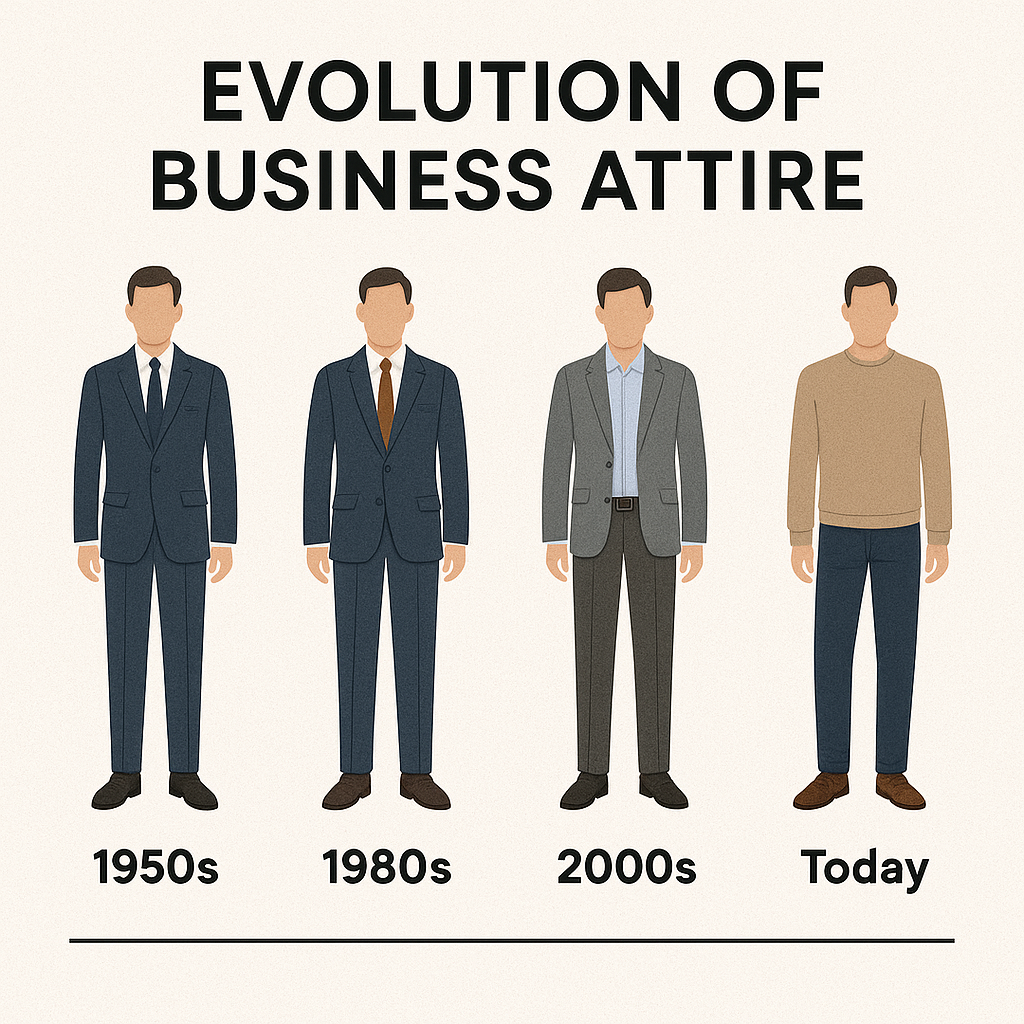
How Business Attire Has Evolved
Traditionally, business attire meant formal suits, ties, and dress shoes. However, over time, the definition has become more flexible. Many modern workplaces now embrace business casual or even smart casual dress codes, allowing for more comfort without sacrificing professionalism.
Types of Business Attire
There are several categories of business attire, each suited for different workplace environments and occasions. Understanding these distinctions will help you choose the right outfit, whether you’re preparing for an interview, a typical office day, or a formal event.
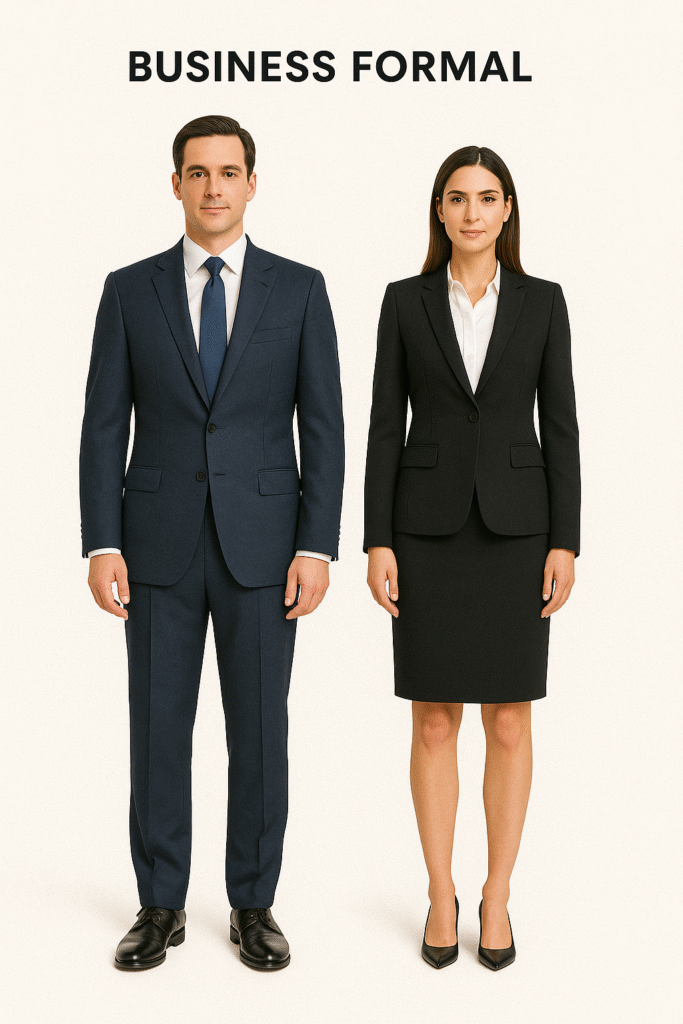
1. Business Formal
Business formal is the most traditional and conservative type of business attire. It’s typically required in industries like law, finance, or high-level corporate roles where professionalism must be projected at all times.
For men: A tailored dark suit, white or light-colored dress shirt, conservative tie, and polished dress shoes. For women: A pantsuit or skirt suit in neutral tones, with closed-toe shoes and minimal accessories.
📸 [Image suggestion: A side-by-side of a man and woman in business formal outfits] Why: Helps readers visualize the high level of formality this dress code requires.
2. Business Professional
Business professional attire is slightly less formal than business formal but still polished and traditional. It’s common in corporate offices, especially those with client-facing roles.
For men: dress slacks, a button-down shirt, a blazer or sport coat, and leather shoes. A tie is often worn but may be optional. For women: blouses with tailored slacks or pencil skirts, professional dresses, and closed-toe flats or low heels.
3. Business Casual
Business casual is a more relaxed form of business attire that’s common in modern workplaces. It combines professional elements with more comfortable clothing choices.
For men: Khakis or chinos, a collared shirt (polo or button-down), and loafers or clean sneakers. Blazers are optional. For women: blouses or knit tops, cardigans, midi skirts or trousers, and stylish flats.
4. Smart Casual
Smart casual straddles the line between casual and professional. It’s ideal for more creative industries or relaxed client meetings.
For men: dark jeans or tailored pants, button-down shirts or neat polos, and clean shoes or boots. For women: trendy blouses, blazers, dark jeans or skirts, and ankle boots or fashionable flats..
Business Attire for Different Industries
Not all workplaces have the same expectations when it comes to business attire. Dress codes can vary widely depending on the industry, company culture, and even geographic location. Understanding these differences helps you make confident wardrobe choices that align with your environment.
1. Corporate & Finance
In industries like banking, law, or consulting, the standard is often business formal or business professional. These fields value tradition and professionalism, and your clothing is expected to reflect that.
Men typically wear tailored suits, dress shirts, ties, and leather shoes.
Women opt for suits, conservative dresses, or blouses with structured skirts or pants.
2. Creative Industries (Marketing, Media, Design)
Creative workplaces offer more flexibility. Here, business casual or smart casual attire is common. Employees are encouraged to show personality through their outfits while still maintaining a professional image.
Men may wear patterned shirts, chinos, or dark jeans with loafers.
Women often pair trendy tops with blazers, skirts, or stylish dresses.
3. Tech & Startups
Tech companies and startups are known for their ultra-relaxed dress codes. While some startups may encourage dressing up for meetings or events, the daily norm is usually smart casual or even casual attire.
Men might wear jeans and T-shirts or hoodies—but clean and well-fitted ones.
Women often wear casual tops, jeans, and sneakers, sometimes adding a blazer for polish..
4. Hospitality, Retail, and Service Industries
These sectors often have uniforms or a set dress code to ensure a consistent customer-facing image. While not traditional business attire, the goal is still professionalism.
Neat grooming and clean, brand-appropriate clothing are essential.
In office roles within these industries, business casual is often the norm.
How to Choose the Right Business Attire
Choosing the right business attire isn’t just about style—it’s about dressing appropriately for your work environment, role, and personal brand. Whether you’re starting a new job or preparing for a big meeting, these tips will help you make smart wardrobe decisions.
1. Understand Your Workplace Dress Code
Start by observing what others wear in your office or industry. If your company doesn’t provide an official dress code, ask your manager or HR for guidance.
Corporate environments usually expect business formal or professional.
Creative or tech industries may lean toward business casual or smart casual.
Client-facing roles often require more polished attire than internal positions.
2. Dress for Your Role and Responsibilities
Your position within the company also affects how formally you should dress.
Entry-level employees might stick to clean, professional basics.
Mid-level managers often dress in a more refined business professional style.
Executives are usually expected to wear tailored, high-end business attire.
When in doubt, dress one level up from what you think is expected—it’s easier to tone it down later.
3. Factor in the Industry and Region
Business attire expectations vary across industries and even geographic regions.
A startup in San Francisco may welcome sneakers and jeans.
A law firm in New York likely expects suits every day.
Warmer climates may allow lighter fabrics or short-sleeve options.
4. Adapt to the Season
Weather plays a role in how you dress. In colder months, layering is key; in warmer seasons, choose breathable fabrics like cotton or linen.
Winter: Wool suits, long-sleeve blouses, scarves, and boots
Summer: Light blazers, short-sleeve button-ups, midi dresses, loafers or flats
Seasonal adjustment keeps your attire appropriate without sacrificing comfort.
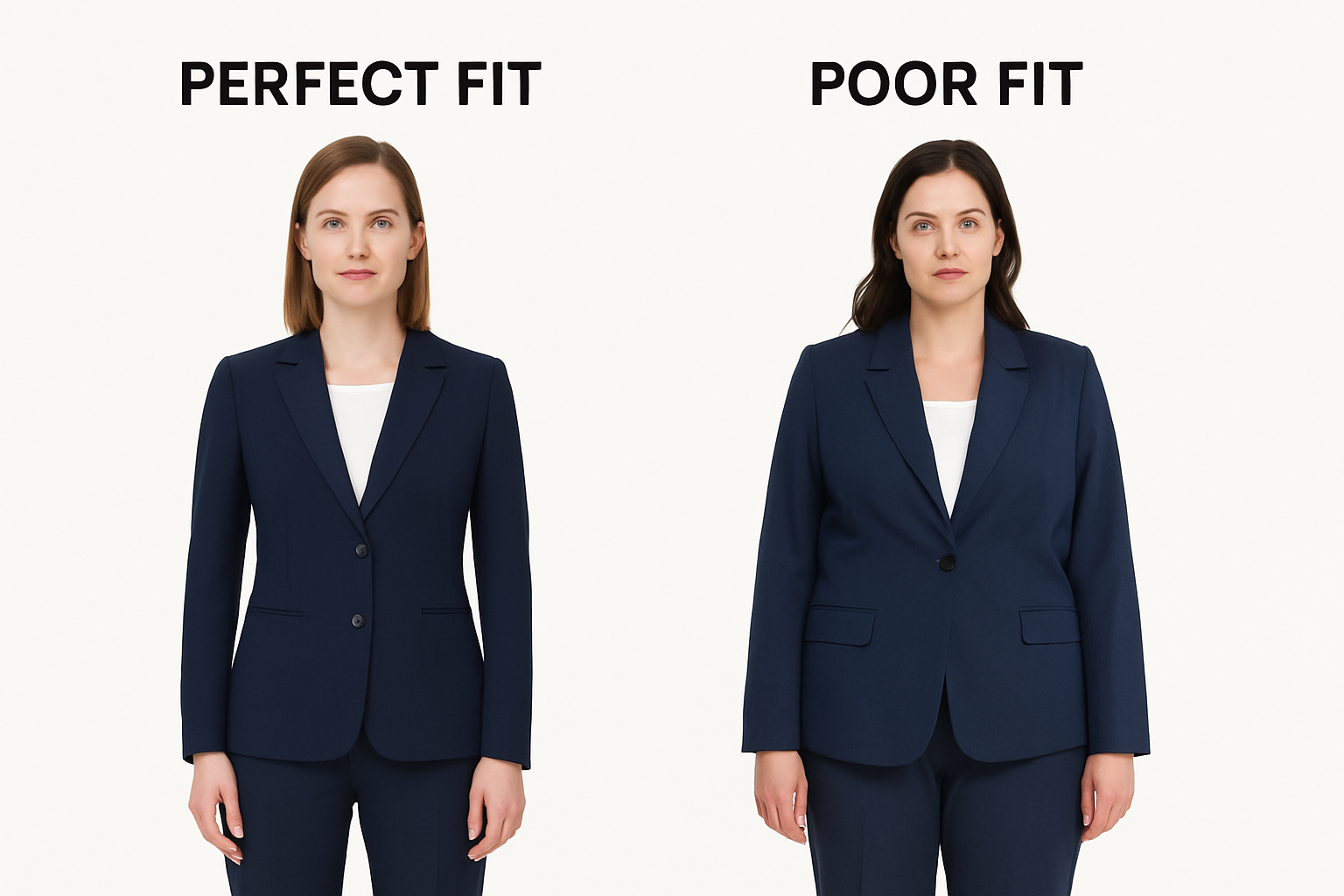
5. Prioritize Fit and Quality
Even the best style will fall short if your clothes don’t fit well. Tailoring your business attire—especially blazers, trousers, and skirts—makes a huge difference in appearance and confidence.
Invest in:
Neutral-colored staples
Quality shoes
Well-fitted blazers and dress pants
Common Mistakes to Avoid
Wearing the wrong business attire can hurt your professional image—even if your intentions are good. Below are some of the most common mistakes people make when dressing for work, and how you can avoid them.
1. Underdressing for the Environment
Even in a casual workplace, dressing too casually (like wearing flip-flops, hoodies, or wrinkled clothes) can give off the wrong impression. It may signal that you’re not taking your role seriously.
Fix: Always dress at least slightly more polished than the most casual person in the office—especially if you’re new or meeting clients.
2. Overdressing for the Culture
Wearing a full suit to a casual or startup workplace can make you seem out of touch or uncomfortable. It may create distance between you and your team, especially if the culture values approachability.
Fix: Research the dress code ahead of time or ask HR for advice. When in doubt, opt for business casual and adjust from there.
3. Wearing Clothes That Don’t Fit
Baggy pants, tight blouses, or sleeves that are too long can instantly downgrade even the most expensive outfit. Fit communicates attention to detail—and comfort.
Fix: Get key pieces tailored. Start with items like blazers, slacks, and dresses.
4. Neglecting Grooming and Accessories
No matter how nice your outfit is, poor grooming or messy accessories can distract from your overall appearance. Unshined shoes, tangled jewelry, or chipped nail polish can all undermine a professional look.
Fix: Keep things neat and minimal. Clean shoes, tidy hair, subtle jewelry, and neutral makeup go a long way.
5. Ignoring the Details
Creased shirts, scuffed shoes, or mismatched socks may seem minor but they create a lasting impression—usually not a good one.
Fix: Take a few extra minutes each day to inspect your outfit before heading out. A well-ironed shirt and polished shoes can elevate your entire look.
Business Attire Tips for Success
Once you understand the basics of business attire, the next step is refining your look and building a wardrobe that works for you. These tips will help you feel confident, comfortable, and always office-appropriate.
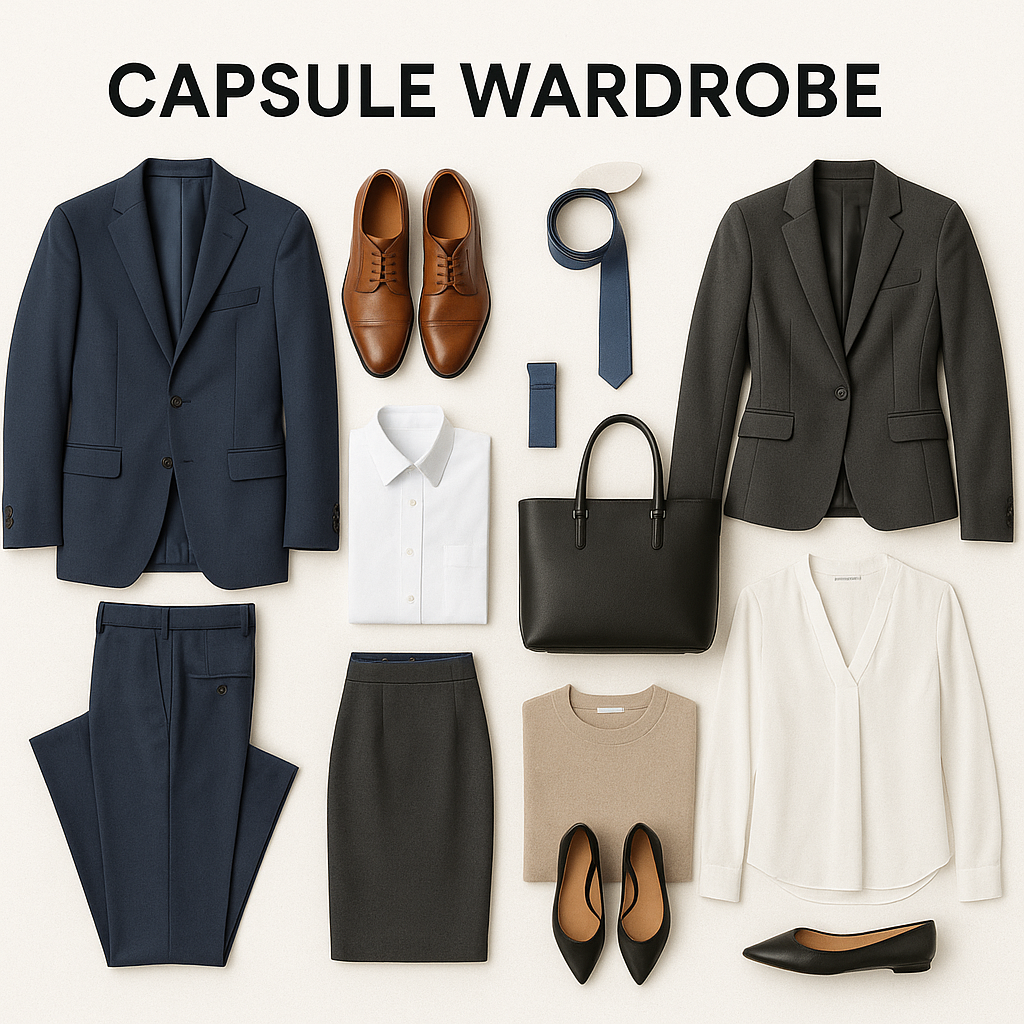
1. Build a Capsule Wardrobe
Start with a few timeless, high-quality pieces that you can mix and match.
Essentials for men:
Navy or gray suit
White and light blue button-down shirts
Neutral dress shoes
Dark chinos and polos for casual days
Essentials for women:
Black blazer
Tailored trousers or pencil skirts
Neutral blouses
Comfortable, stylish flats or low heels
2. Choose Quality Over Quantity
A few well-made pieces that fit properly will serve you better than a closet full of trendy items. Invest in staples like a tailored blazer, polished shoes, and structured dresses or slacks.
Tip: Look for wrinkle-resistant fabrics and durable stitching to ensure longevity.
3. Keep Accessories Professional
Accessories should complement your business attire, not distract from it.
Stick to simple watches, belts, and jewelry
Avoid large logos or flashy statement pieces
Use clean, structured bags or briefcases
4. Maintain a Polished Look
Even casual outfits should look intentional and neat. Always ensure your clothes are clean, pressed, and free of stains or pet hair.
Pro tip: Keep a lint roller, stain stick, and shoe polish kit at your desk or in your bag.
5. Dress With Confidence
The best thing you can wear with any business attire? Confidence. When you look good and feel prepared, it shows in how you carry yourself.
Stand tall
Make eye contact
Walk with purpose
Even the most expensive outfit won’t replace the power of presence.
Final Thoughts
Mastering business attire is more than just following a dress code—it’s about communicating professionalism, confidence, and respect in every environment you step into. Whether you’re navigating a corporate office, working at a creative agency, or attending a job interview, the way you dress can shape the way others perceive you—and how you feel about yourself.
By understanding the different types of business attire, tailoring your look to your industry and role, and avoiding common style mistakes, you’ll be able to build a wardrobe that works hard for you every day. Start small, focus on fit and quality, and refine your style as you grow in your career.
Remember: when in doubt, it’s always better to be slightly overdressed than underprepared.